
مدونة
لقد شهدت الجراحة ثورة ملحوظة وصامتة خلال القرنين الماضيين. يمكنك أن ترى بوضوح هذا التحول العميق من خلال النظر إلى التناقض المذهل بين الطاولات الخشبية الثابتة المستخدمة في الجراحة في القرن التاسع عشر والأنظمة متعددة الأوضاع القابلة للبرمجة والمستخدمة في مرافق الرعاية الصحية الحديثة اليوم. لم تعد طاولة العمليات مجرد قطعة أثاث. لقد تحولت إلى تقنية بالغة الأهمية تعمل كأساس لأي مجموعة جراحية.
يعكس تطور طاولات العمليات بشكل مباشر التقدم المستمر في السلامة الجراحية، وتحسين نتائج المرضى، وتعزيز كفاءة غرفة العمليات. يستكشف هذا المقال الرحلة التحويلية لمعدات غرفة العمليات الأساسية هذه. وسوف ندرس بعناية العصور الثلاثة المميزة لهذه التكنولوجيا: التصاميم الميكانيكية الأولية، واختراق الطاقة الهيدروليكية، والعصر الحديث للأنظمة الكهربائية. ومن خلال فهم هذا التقدم، يمكن لمشتري المستشفيات والمختبرات اتخاذ قرارات شراء أكثر استنارة واختيار أفضل طاولة جراحية تناسب احتياجاتهم الخاصة.
لكي نقدر حقًا الجداول الجراحية المتقدمة اليوم، يجب علينا أولاً فحص سياقها التاريخي. إن الفهم الشامل لتاريخ الطاولة الجراحية يساعد المشترين على التعرف على القيمة الهائلة للابتكارات الحديثة.
خلال أوائل القرن التاسع عشر، كانت طاولات العمليات تتميز بأسطح مسطحة بدائية دون أي إمكانات مفصلية على الإطلاق. واجه الجراحون تحديات هائلة لأن هذه الهياكل الصلبة لم تقدم أي مرونة في الوضع. لقد أُجبروا على تعديل وضعية المريض يدويًا باستخدام دعامات مرتجلة.
مع تقدم العلوم الطبية في أواخر القرن التاسع عشر وأوائل القرن العشرين، قدم مصنعو المعدات السواعد الميكانيكية الأساسية. تمثل هذه الجداول الجراحية الميكانيكية المبكرة خطوة إلى الأمام. لقد سمحت بإمالة Trendelenburg المحدودة وقدمت تعديلات أساسية على قسم الساق.
ومع ذلك، عانت جداول التشغيل اليدوية هذه من قيود تشغيلية خطيرة. تتطلب التعديلات اليدوية من الفريق الجراحي إيقاف الجراحة جسديًا لتغيير وضعية المريض. كانت آلية تحديد المواقع خشنة بطبيعتها ومن الصعب للغاية ضبطها. وعلاوة على ذلك، لم تكن هذه الإعدادات اليدوية قابلة للتكرار في حالات مختلفة، مما أعاق الإجراءات الجراحية الموحدة.
ظهرت إشارة انتقالية مهمة مع التقدم السريع في تقنيات التخدير والتعقيم. بدأ الجراحون يطالبون بتحكم موضعي أفضل وأسرع بكثير لاستكمال قدراتهم السريرية الجديدة. هذه الحاجة السريرية الملحة خلقت بشكل مباشر الطلب على العصر التالي من تطور طاولة العمليات.
يمثل إدخال الطاولة الجراحية الهيدروليكية تحولًا هائلاً في معدات غرفة العمليات. قدمت هذه الأنظمة مزيجًا مثاليًا من المتانة القوية والحركة المحسنة.
في الوقت الذي سعت فيه المستشفيات الحديثة والمراكز الجراحية المتخصصة إلى تحسين سير العمل المعقد لديها، أصبحت طاولة العمليات الكهربائية هي المعيار الذهبي. تستهدف هذه التقنية المرافق المجهزة تجهيزًا جيدًا من خلال تقديم دقة لا مثيل لها.
عندما يتطلع مديرو المنشأة إلى شراء طاولة تشغيل، يجب عليهم في كثير من الأحيان تقييم فوائد طاولة التشغيل الهيدروليكية مقابل طاولة التشغيل الكهربائية. تساعد المقارنة المتوازنة في توضيح هذا القرار الحيوي.
| عامل المشتريات | جدول التشغيل الهيدروليكي | طاولة العمليات الكهربائية |
|---|---|---|
| البنية التحتية للطاقة | يفضل في المناطق التي تكون فيها موثوقية الطاقة منخفضة بشكل واضح. | يتفوق في البيئات الحديثة حيث تكون الطاقة المستقرة وسير العمل الرقمي أو سير العمل قياسيًا. |
| مزيج التخصص الجراحي | غالبًا ما يتم اختياره من قبل المستشفيات العامة أو عيادات OB-GYN المتخصصة. | مفضل من قبل المراكز الكبيرة ومتعددة التخصصات ذات الاحتياجات الثقيلة لجراحة العظام والصدمات. |
| الميزانية والتكلفة الإجمالية للملكية | يتميز بسعر طاولة تشغيل يسهل الوصول إليه مقدمًا ويتطلب تكاليف صيانة مستمرة أقل. | يوفر مكاسب كبيرة في الكفاءة على المدى الطويل من خلال معدل دوران أسرع للغرفة وسير العمل الآلي. |
| الاحتياجات التنظيمية | يجب على المشترين ملاحظة اعتبارات CE وISO وFDA ذات الصلة بأسواق الاستيراد المختلفة. | يجب على المشترين ملاحظة اعتبارات CE وISO وFDA ذات الصلة بأسواق الاستيراد المختلفة. |
يختار الآن العديد من مشتري التصدير ذوي الخبرة استراتيجية الأسطول المختلط. إنهم يضعون بشكل استراتيجي طاولات هيدروليكية موثوقة في مسارح الأقمار الصناعية الخاصة بهم مع الاحتفاظ بطاولات كهربائية متقدمة للغاية لغرف العمليات الأساسية الخاصة بهم. يجب أن يدعم المورد الموثوق كلا الخيارين باستمرار.
يستمر مستقبل معدات غرفة العمليات في التطور بوتيرة سريعة. يجب على المشترين المشاركين في تصدير المعدات الطبية أن يظلوا على دراية بالعديد من الاتجاهات الناشئة.
لقد تطورت طاولات العمليات بشكل كبير من الأدوات الثابتة غير الحادة إلى منصات جراحية عالية الدقة. وفي النهاية، فإن اختيار النوع الصحيح من الطاولة الجراحية يحدد بشكل مباشر النتائج السريرية، وكفاءة غرفة العمليات، والتكلفة الإجمالية للمنشأة.
كمورد رئيسي لطاولات العمليات في المستشفيات، فإن شركة Wincom من الصين توفر كلا من طاولات التشغيل الهيدروليكية والكهربائية من الدرجة الأولى. نحن نضمن أن كل منتج مجهز بوثائق CE وISO الكاملة المصممة خصيصًا للمشترين الدوليين المميزين. نحن نشجعك على الدخول في شراكة مع إحدى الشركات المصنعة لطاولات العمليات التي تتمتع بقدرات عميقة على تصنيع المعدات الأصلية/تصنيع التصميم الشخصي (OEM/ODM)، وخبرة تصدير واسعة النطاق، ومناطق شحن مدعومة على نطاق واسع لتقليل الاحتكاك للمشترين لأول مرة.
للحصول على عرض رائع لهذه التطورات الميكانيكية والكهربائية، نوصي بشدة باستكشاف ما هو استثنائي جدول التشغيل OT-308B . يجسد هذا المنتج الهندسة الدقيقة وميزات السلامة القوية والتنوع الوظيفي الذي تتطلبه المرافق الطبية الرائدة اليوم.
يرجى طلب كتالوج المنتجات أو الحصول على عرض أسعار مخصص اليوم لتجهيز جناحك الجراحي بأعلى مستوى من الرعاية.
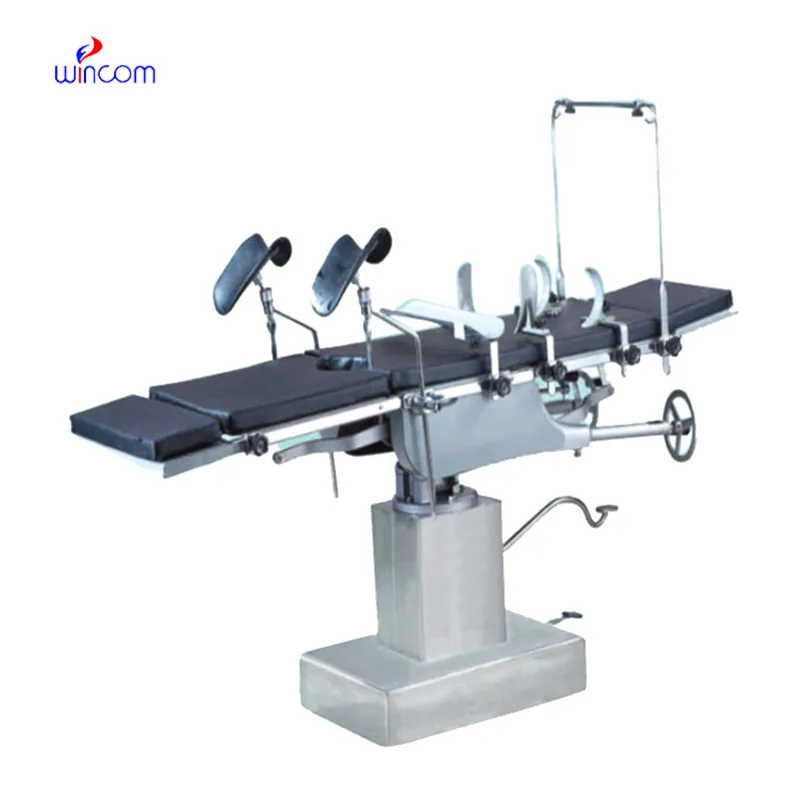
تعتمد طاولات التشغيل الهيدروليكية على ضغط السائل الذي يتم دفعه عبر أسطوانات شديدة التحمل لضبط موضعها، مما يجعلها مستقلة بشكل كبير عن الكهرباء. تستخدم طاولات التشغيل الكهربائية الأنظمة الآلية التي يتم التحكم فيها عبر الهواتف المحمولة عن بعد وغالبًا ما تتميز بوظائف الذاكرة؛ إنهم يتفوقون في المرافق ذات الطاقة المستقرة وسير العمل الرقمي المتقدم.
تتطلب الجداول اليدوية تعديلات عبر أذرع ميكانيكية، الأمر الذي أجبر الفريق الجراحي تاريخيًا على وقف الإجراء المستمر. إنهم يفتقرون إلى الموضع الدقيق والقابل للتكرار بسرعة المطلوب لدعم تقنيات التعقيم الحديثة وبروتوكولات التخدير المتقدمة.
تم تصميم التصميمات الشفافة للأشعة خصيصًا للتصوير دون عوائق أثناء العملية الجراحية. يعد هذا التوافق الأساسي مع معدات C-arm والتنظير الفلوري أمرًا بالغ الأهمية لتنفيذ العمليات الجراحية المعقدة لجراحة العظام والصدمات بنجاح.
نعم، تظل ذات صلة بشكل لا يصدق. إنها توفر قيمة هائلة نظرًا لتصميماتها ذات القاعدة العريضة المتينة، وقدرات وزن المريض الواسعة، والدوائر الهيدروليكية الأبسط التي تضمن انخفاض تكاليف الخدمة على المدى الطويل بشكل ملحوظ. وهي مفضلة بشكل خاص في أسواق التصدير التي تعاني من البنية التحتية للطاقة غير المستقرة.
يجب على المشترين المتطلعين إلى المستقبل النظر في مستقبل معدات غرفة العمليات، والتي تتضمن تحديد المواقع بمساعدة الذكاء الاصطناعي الذي يتفاعل مع العناصر الحيوية في الوقت الفعلي. بالإضافة إلى ذلك، ابحث عن التوافق مع أنظمة الجراحة الروبوتية وإمكانيات إنترنت الأشياء التي توفر التشخيص عن بعد وتنبيهات الصيانة التنبؤية.
بريد إلكتروني: [email protected]
هاتف: +86-731-84176622
+86-731-84136655
العنوان: Rm.1507، شينسانتشنغ بلازا. رقم 58، طريق رنمين (E)، تشانغشا، هونان، الصين


 EN
EN
 af
af
 es
es
 ar
ar
 tr
tr
 sw
sw
 pt
pt
 th
th
 ur
ur
 bn
bn
 ne
ne
 vi
vi
 km
km
 lo
lo
 de
de
 ru
ru
 fi
fi
 nl
nl
 fa
fa
 fr
fr
 ko
ko


