
مدونة
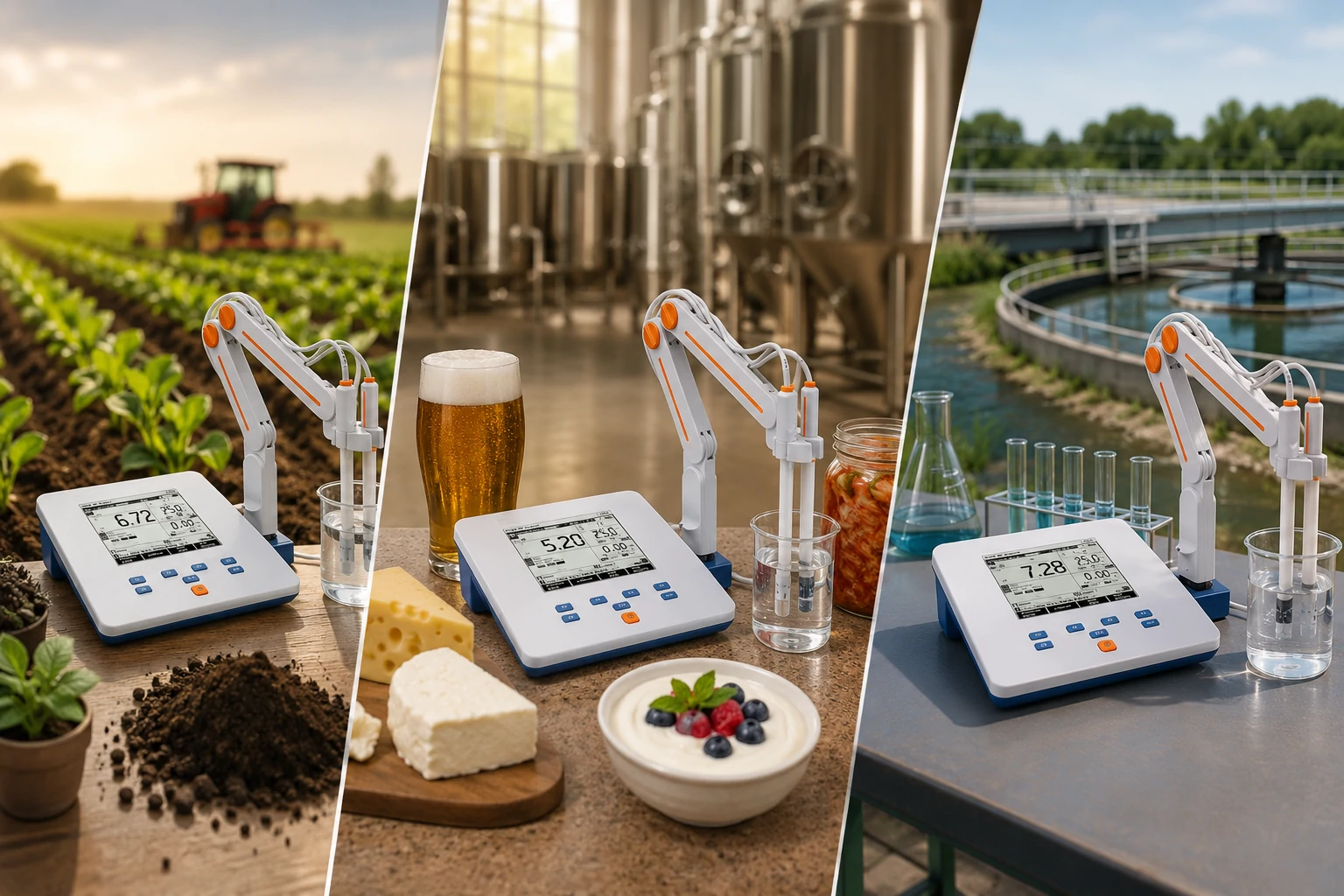
يمكن لقراءة واحدة للأس الهيدروجيني تحديد ما إذا كان الحصاد قد فشل، أو تم التخلص من دفعة من البيرة التجارية، أو تم إعلان أن النهر غير آمن للحياة البرية. يمثل هذا المقياس البسيط بنية تحتية تشغيلية عالية المخاطر. يتراوح مقياس الرقم الهيدروجيني من 0 إلى 14 ويقيس تركيز أيون الهيدروجين في المحلول. ومع ذلك، فإن هذا المفهوم الكيميائي الأساسي يترجم إلى عواقب اقتصادية وبيئية عميقة. تبرز الزراعة والتخمير والعلوم البيئية كثلاثة مجالات متميزة ولكنها تتطلب نفس القدر من المتطلبات. تتلاقى جميع هذه المجالات على الضرورة المطلقة لقياس الرقم الهيدروجيني الدقيق. أجهزة قياس الأس الهيدروجيني الدقيقة ليست أدوات ملحقة اختيارية. وهي تعمل بمثابة بنية تحتية تشغيلية مهمة لأي صناعة قائمة على العلم وتعتمد على الدقة الكيميائية. ستوضح هذه المقالة بالضبط لماذا لا غنى عن قياس الرقم الهيدروجيني عبر هذه المجالات الثلاثة. سوف تتعلم أيضًا كيف يؤدي اختيار مقياس الأس الهيدروجيني المناسب إلى تشكيل موثوقية كل نتيجة نهائية. مثلما يحدد الرقم الهيدروجيني التفاعلات الكيميائية في المختبر، فهو يحدد النجاح التشغيلي في العالم الحقيقي.
في الزراعة، يعمل الرقم الهيدروجيني للتربة كمتغير أساسي يتحكم في قابلية ذوبان العناصر الغذائية وامتصاص الجذور، مما يعني أن عدم التوازن يمكن أن يسبب قفل المغذيات وضعف الإنتاج بغض النظر عن استخدام الأسمدة. ويستخدم المزارعون أجهزة القياس المحمولة للاختبار الميداني المكاني في الوقت الحقيقي، في حين تستخدم أجهزة القياس عالية الدقة لإعداد التقارير المختبرية الرسمية. إن مراقبة درجة حموضة التربة ومياه الري تقلل بشكل مباشر من الإفراط في تطبيق تعديلات التربة. علاوة على ذلك، أصبحت أجهزة قياس الرقم الهيدروجيني الرقمية المدمجة في منصات الزراعة الدقيقة ضرورية الآن لتحديث المزارع لتلبية معايير جودة التصدير الدولية الصارمة.
يعد القياس الدقيق للأس الهيدروجيني أمرًا بالغ الأهمية في كل مرحلة من مراحل التخمير وإنتاج الطعام لضمان نكهة المنتج وسلامته والامتثال التنظيمي. إن التحكم الصارم في درجة الحموضة أثناء الهرس والتخمير يحدد إنتاجية السكر القابلة للتخمير ويشير إلى نشاط الخميرة الصحي مع منع التلوث البكتيري. تتطلب أطر سلامة الأغذية العالمية، مثل لوائح HACCP وFDA، توثيقًا صارمًا لدرجة الحموضة وسجلات جاهزة للتدقيق لمنع حالات فشل الدفعات الكارثية التي تؤدي إلى خسائر مالية فادحة. وتمتد هذه الضرورة إلى ما هو أبعد من البيرة إلى منتجات الألبان مثل الزبادي والجبن، وكذلك الأطعمة الحمضية التجارية مثل الخل والكيمتشي.
يعد قياس درجة الحموضة البيئية بمثابة خط دفاع أمامي لحماية النظم البيئية الهشة والصحة العامة. تعمل المراقبة المستمرة على تقييم صحة التنوع البيولوجي، وتتبع التهديدات مثل تحمض المحيطات التي تلحق الضرر بالحياة البحرية والشعاب المرجانية. في البيئات البلدية، لا يمكن التفاوض على التحكم الدقيق في درجة الحموضة من أجل التطهير الفعال لمياه الشرب بالكلور والمعالجة البيولوجية المعقدة لمياه الصرف الصحي. بالإضافة إلى ذلك، يعد قياس درجة حموضة التربة نقطة انطلاق حيوية لتقييم الأثر البيئي، حيث تزيد التربة الحمضية من الحركة الخطيرة للمعادن الثقيلة السامة تجاه المياه الجوفية المجتمعية.
يتطلب اختيار الأداة المناسبة تقييمًا دقيقًا لاحتياجات التطبيق المحددة. يجب على المشترين مطابقة قدرات الأداة مع المتطلبات التنظيمية أو عملية الإنتاج الخاصة بهم.
يعتبر نظام معايرة المشغل أكثر أهمية بكثير من مواصفات الأجهزة الأساسية. يتفوق جهاز القياس متوسط المدى الذي يتم صيانته جيدًا باستمرار على النموذج المتميز الذي تمت معايرته بشكل سيئ. يجب على المشغلين دائمًا استخدام حلول عازلة موثوقة يمكن تتبعها من NIST وإجراء معايرة متعددة النقاط بين قوسين لنطاق العينة المتوقع. علاوة على ذلك، يظل دعم ما بعد البيع الموثوق به عاملاً بالغ الأهمية ولكن غالبًا ما يكون غير مرجح بالنسبة للمشترين الدوليين. إن توفر استبدال القطب الكهربائي، واستمرارية إمداد المخزن المؤقت، واستجابة الدعم الفني تحدد بشكل كامل إمكانية استخدام أي أداة على المدى الطويل.
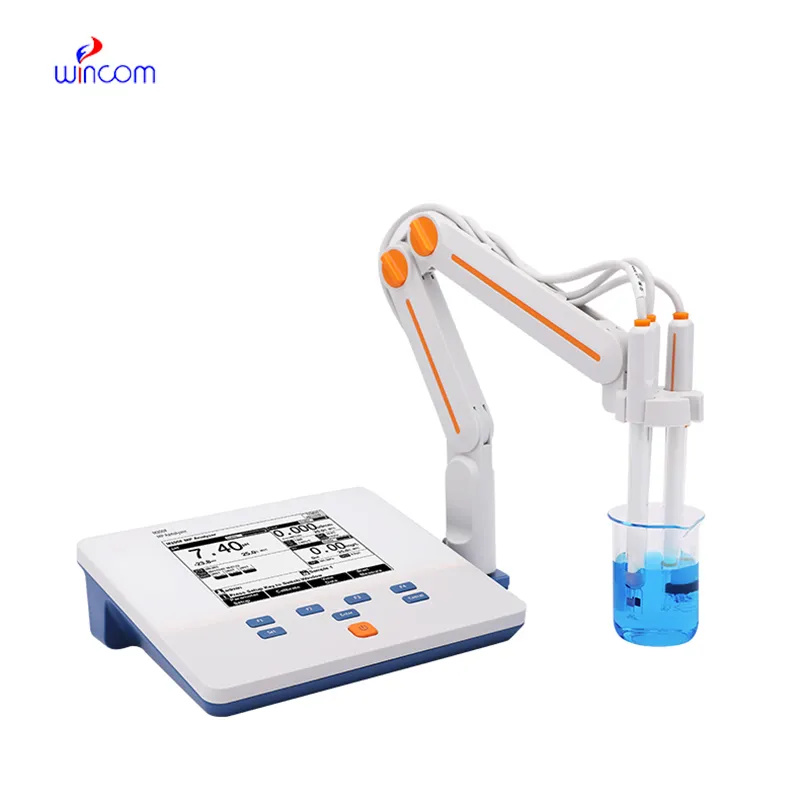
يجب على المحترفين الذين يبحثون عن حل موثوق به للغاية أن يأخذوا في الاعتبار وينكوم PH-706 . يوفر هذا المقياس الموضوع على الطاولة والذي تم تصميمه بشكل احترافي دقة ±0.01 من الأس الهيدروجيني، ونطاق قياس واسع يتراوح من -2.00 إلى 20.00 من الأس الهيدروجيني، وقدرة متكاملة متعددة المعلمات تغطي ORP، والتوصيل، والمقاومة، وTDS - مما يجعله حلاً أحادي الأداة يلبي بشكل فعال متطلبات القياس المختبرية والزراعية والبيئية الصارمة.
استكشف مجموعتنا الواسعة من أجهزة قياس الأس الهيدروجيني الدقيقة المستخدمة في المختبرات والصناعات اليوم. يمكنك الاتصال بفريق Wincom مباشرة للحصول على عرض أسعار مخصص واستشارة فنية متخصصة. تقدم Wincom 30 عامًا من الخبرة التجارية الدولية المخصصة إلى الطاولة. نحن نخدم بكل فخر أسواق التصدير في أكثر من 50 دولة بمعايير تصنيع صارمة متوافقة مع ISO ومجموعة واسعة من المنتجات. يمكنك تأمين دقة القياس لديك اليوم مع مورد عالمي موثوق به لأجهزة قياس الأس الهيدروجيني.
[اتصل بنا الآن للحصول على عرض الأسعار الخاص بك!]
يجب عليك مطابقة نوع الجهاز مباشرةً مع بيئة القياس المحددة لديك ومستوى الدقة المطلوب. يتطلب العمل الميداني ورسم الخرائط الميدانية المكانية واختبار المياه الخارجية بشكل صارم وجود مقياس درجة حموضة محمول. يتطلب العمل المعملي التنظيمي، وتقارير الامتثال الصارمة، وتحليل العينات المُجهزة، جهاز قياس منضدي عالي الدقة. عادةً ما تحافظ العمليات الاحترافية الكبيرة على كلا النوعين لتغطية جميع سيناريوهات الاختبار المحتملة.
يجب على المشغلين معايرة جهاز القياس في بداية كل جلسة يومية للاستخدام الروتيني العام. يجب عليك إجراء معايرة جديدة قبل وبعد كل سلسلة اختبار للامتثال الصارم واختبار التدقيق الخارجي. استخدم دائمًا حلول عازلة عالية الجودة يمكن تتبعها من قبل NIST. تأكد من أن نقاط المعايرة التي اخترتها تحدد بشكل فعال نطاق العينة المتوقع.
يتحكم الرقم الهيدروجيني للتربة فعليًا في قابلية ذوبان العناصر الغذائية من خلال آلية قفل كيميائية معقدة. تصبح العناصر الغذائية غير قابلة للوصول تمامًا لجذور النباتات إذا كان الرقم الهيدروجيني يقع خارج النطاق الأمثل، بغض النظر عن وجود الأسمدة المادية. يجب على المزارعين اختبار تربتهم مرة واحدة على الأقل في كل موسم نمو رئيسي. يجب على المشغلين إجراء الاختبار بشكل متكرر على الفور بعد أي تطبيق تعديل كبير للجير أو التحميض.
من المؤكد أن جسم العداد الإلكتروني الرئيسي يمكن أن يؤدي أدوارًا متعددة إذا كانت دقته الأساسية تلبي متطلباتك الأكثر صرامة. ومع ذلك، يجب عليك استخدام أقطاب كهربائية منفصلة ومخصصة لكل مصفوفة عينة محددة. لا ينبغي أن يختبر قطب التربة القوي هريس التخمير الدقيق. يمنع هذا الفصل الصارم التلوث المتبادل بشكل فعال ويطيل عمر خدمة معداتك بشكل كبير.
يتطلب إنتاج الغذاء والامتثال الصارم لـ HACCP إمكانات تسجيل بيانات GLP وأقطاب كهربائية مصنفة لملامسة الطعام. يتطلب الاختبار البيئي والامتثال لمعيار ISO 17025 شهادات معايرة يمكن تتبعها من NIST وامتثالًا صارمًا لطريقة EPA 150.1. يجب على المشترين الدوليين التأكيد بشكل فعال على أن مورد جهاز قياس الأس الهيدروجيني الذي اختاروه يمكنه توفير إمكانات توثيق محددة تتوافق مع متطلبات الهيئة التنظيمية المحلية الخاصة بهم.
بريد إلكتروني: [email protected]
هاتف: +86-731-84176622
+86-731-84136655
العنوان: Rm.1507، شينسانتشنغ بلازا. رقم 58، طريق رنمين (E)، تشانغشا، هونان، الصين


 EN
EN
 af
af
 es
es
 ar
ar
 tr
tr
 sw
sw
 pt
pt
 th
th
 ur
ur
 bn
bn
 ne
ne
 vi
vi
 km
km
 lo
lo
 de
de
 ru
ru
 fi
fi
 nl
nl
 fa
fa
 fr
fr
 ko
ko


