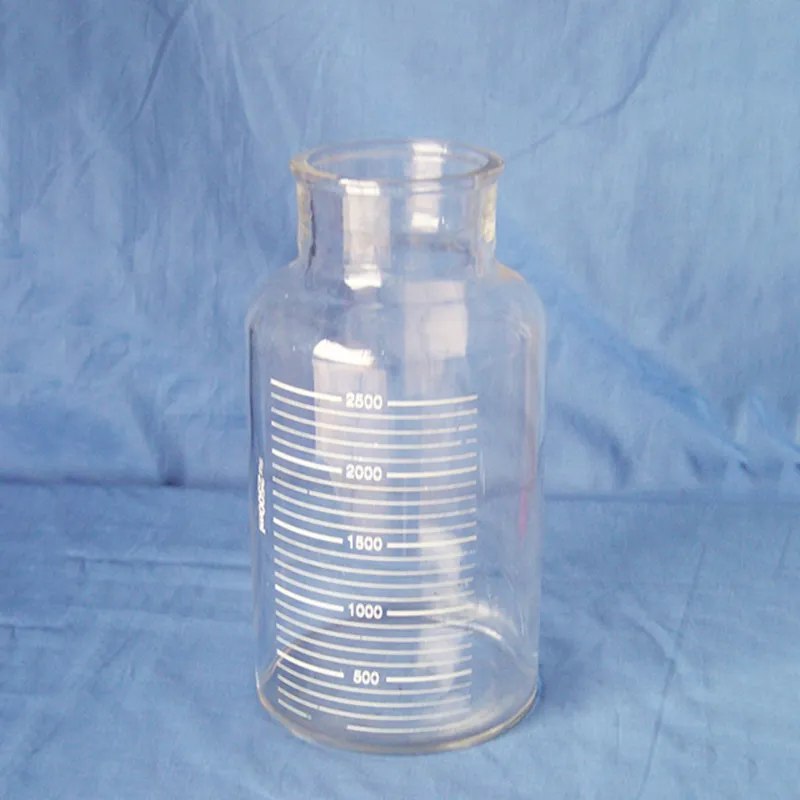
In a hospital environment, animal anesthesia machine acts as the primary tool for the delivery of regulated anesthesia with active patient monitoring. It constantly gives information about the state of sedation such as oxygen, respiration, and gas levels. Therefore, the anesthetist is still able to keep the patient safe during surgeries and other critical parts of the patient’s medical care through this device. The unification of the vaporizers, the flow meters, and safety systems results in performances that are always trustworthy in areas like operating rooms, post-op recovery, and medical research, therefore being a big help in the area of anesthesia-related incidents since they will occur less frequently due to the greater procedural consistency.

animal anesthesia machine is frequently employed in the ICU to give controlled sedation and respiratory support to patients in serious condition. Critical patients who are mechanically ventilated usually need exact anesthetic management to alleviate stress and discomfort. The device makes it possible to perpetually modify ventilation parameters and anesthetic concentration according to the patient’s condition. Staff in the ICU make use of animal anesthesia machine to keep patients sedated during invasive interventions or durative respiratory support. This particular use emphasizes its significance outside the operating room, thus reaching the area of long-term critical care management.
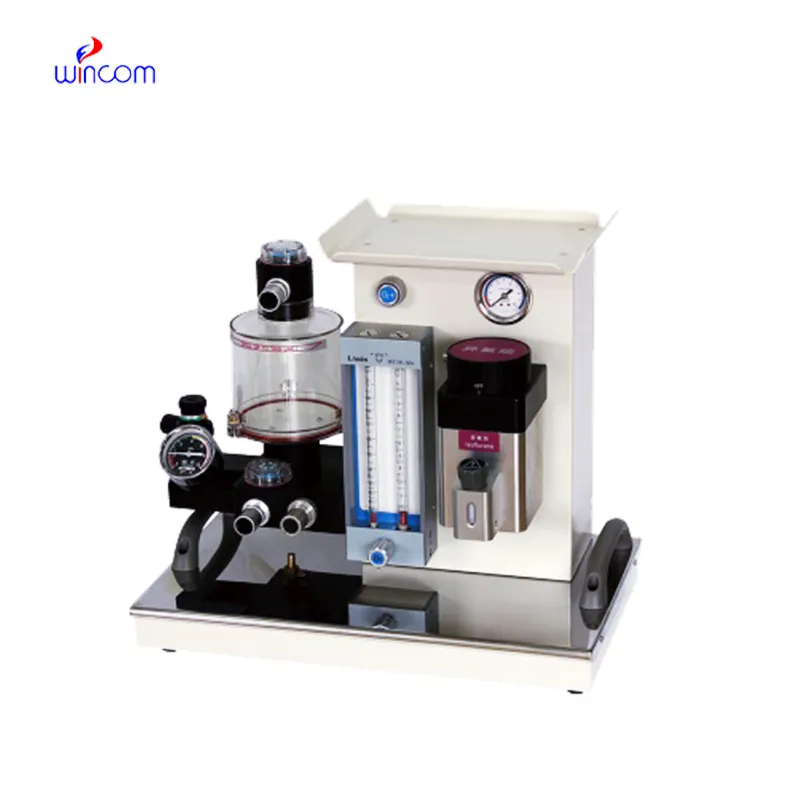
The animal anesthesia machine future is projected to concentrate on a better digital integration in hospital systems. The advanced connectivity will let anesthesia data to be automatically merged with electronic medical records and centralized monitoring systems. This will encourage sharing of data in real-time across operating rooms, ICUs, and laboratories. Better software interfaces might enable anesthesiologists to interpret respiration trends in a more effective manner. The smarter hospitals will lead to the animal anesthesia machine being a more connected device, thus enabling better patient care and the shared clinical decisions among departments.
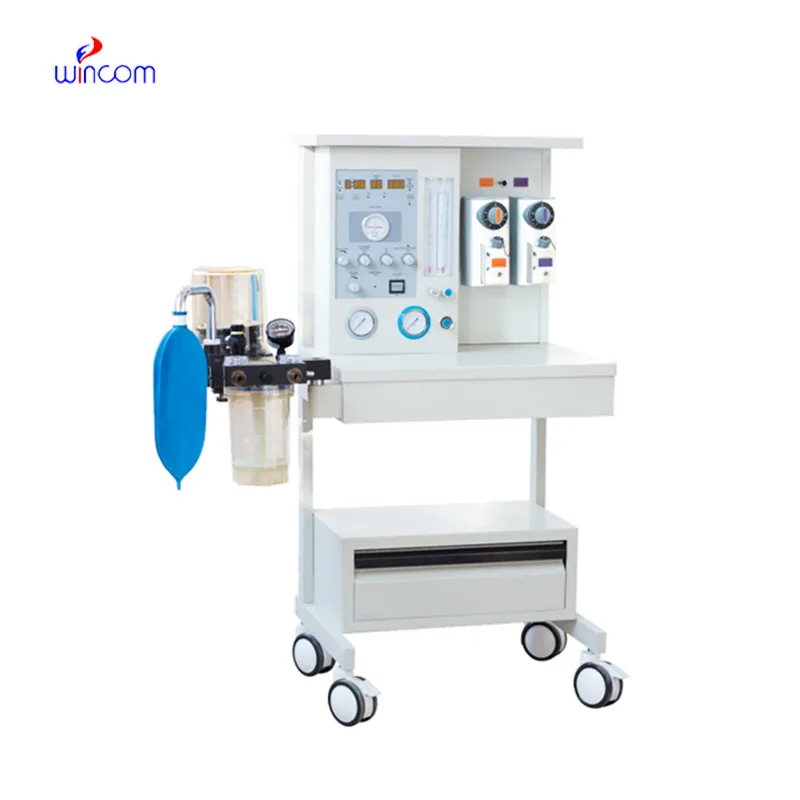
The animal anesthesia machine ventilation systems ought to be kept operational at all times to provide uninterrupted respiratory assistance. The filters must be changed at the proposed times to avoid their being clogged and dirty. The mechanical parts need to be checked in order to have good airflow and pressure regulation. In ICU and operating rooms, well-functioning ventilation systems minimize the hazards of long anesthesia use. They become part of the hospital's dependence on these devices' performance in the most challenging environments.
In animal anesthesia machine, the basic principles and methods of anesthesia are demonstrated in clinical teaching environments. Medical students and interns get to see the functioning of gas flow systems, vaporizers, and patient monitoring. This use of teaching makes it easier for the learners to grasp ventilation, oxygenation, and anesthetic delivery in actual hospital surroundings. By combining watching with hands-on training, animal anesthesia machine makes the learning outcomes better in anesthesia education programs.
Q: What maintenance personnel service an Anesthesia Machine? A: Mostly bio-med engineers or skilled technicians do the technical maintenance. Q: Can the machine be used for both general and regional anesthesia? A: Yes, it accepts the different anesthesia techniques from the clinician’s perspective. Q: Does the device record anesthesia data? A: Data is stored for reviewing and reporting in some models. Q: How does the machine handle excess anesthetic gases? A: The waste gases are removed from the case through scavenging systems. Q: Is the Anesthesia Machine regulated for hospital use? A: Indeed, it has to follow the medical device standards and regulations.
The centrifuge operates quietly and efficiently. It’s compact but surprisingly powerful, making it perfect for daily lab use.
I’ve used several microscopes before, but this one stands out for its sturdy design and smooth magnification control.
To protect the privacy of our buyers, only public service email domains like Gmail, Yahoo, and MSN will be displayed. Additionally, only a limited portion of the inquiry content will be shown.
Could you share the specifications and price for your hospital bed models? We’re looking for adjus...
I’d like to inquire about your x-ray machine models. Could you provide the technical datasheet, wa...
E-mail: [email protected]
Tel: +86-731-84176622
+86-731-84136655
Address: Rm.1507,Xinsancheng Plaza. No.58, Renmin Road(E),Changsha,Hunan,China


 EN
EN
 af
af
 es
es
 ar
ar
 tr
tr
 sw
sw
 pt
pt
 th
th
 ur
ur
 bn
bn
 ne
ne
 vi
vi
 km
km
 lo
lo
 de
de
 ru
ru
 fi
fi
 nl
nl
 fa
fa
 fr
fr
 ko
ko