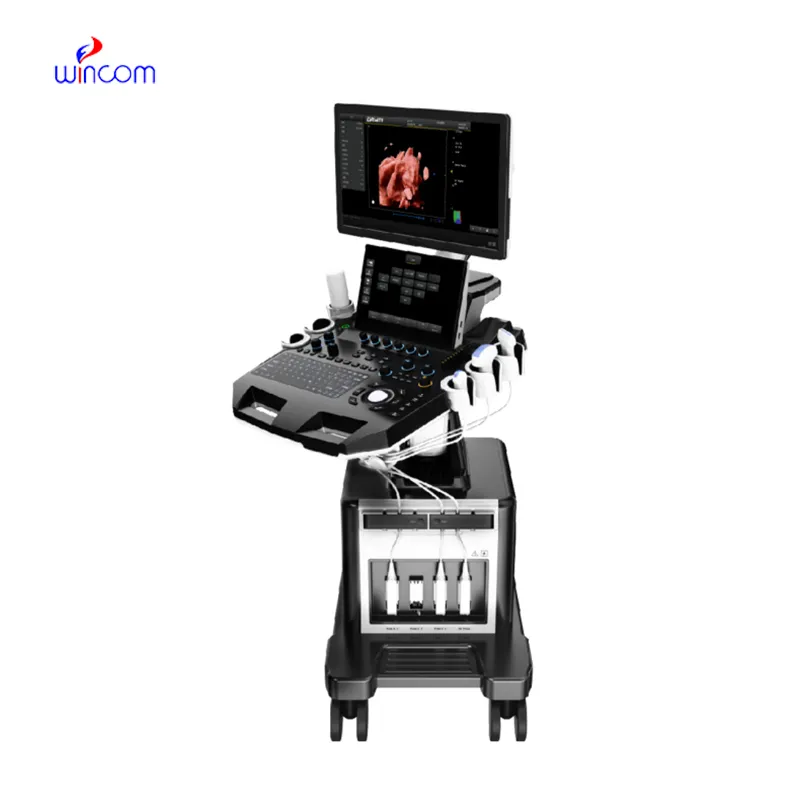
veterinary anesthesia machine is an essential healthcare apparatus in medical facilities, which supports the safe delivery of anesthetic gas and patient ventilation at the same time. Its alert systems give immediate information about oxygen levels, breathing, and airway pressures, thus ensuring the anesthesiologists' control over sedation stability. The device is used in surgery rooms, casualty departments, and laboratory-based clinical research for the purpose of precise anesthesia administration. The combination of vaporizers, flow meters, and alarms guarantees both safety and flexibility. veterinary anesthesia machine support faster procedures, ease the monitoring process, and minimize the chance of complications happening during both ordinary and intricate clinical interventions.

veterinary anesthesia machine is a commonly used device in hospital operation theaters that supports both general and regional anesthesia during surgeries. It provides a mixture of oxygen and anesthetic chemicals in a controlled way and at the same time, the patient ventilation is assisted or completely managed. Surgeons and anesthesiologists depend on its steady performance to keep the anesthesia depth constant through long surgeries. The machine is also utilized in less invasive surgeries, where exact respiratory control is a must to steer clear of difficulties. By enabling constant monitoring and gas regulation, veterinary anesthesia machine is an important factor in the patient being stable in the sophisticated hospital setting.
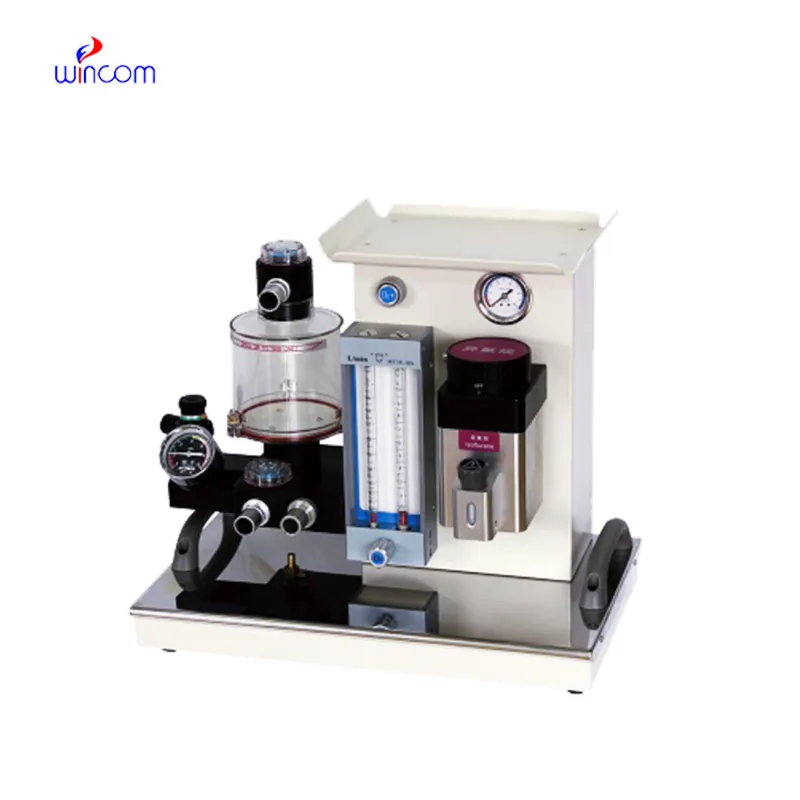
Further development of veterinary anesthesia machine is likely to incorporate state-of-the-art alarm and detection systems which will make patient safety the top priority. More sensitive sensors might even manage to detect minute variations in airway pressure, oxygen supply, or even respiratory patterns. Hospitals might get the advantage of getting the alerts earlier and managing the risks better. This development leads to safer administration of anesthesia in high-risk surgeries and also the critical care areas. So, with the passage of time, veterinary anesthesia machinewill surely become more protective of the patients via technology.
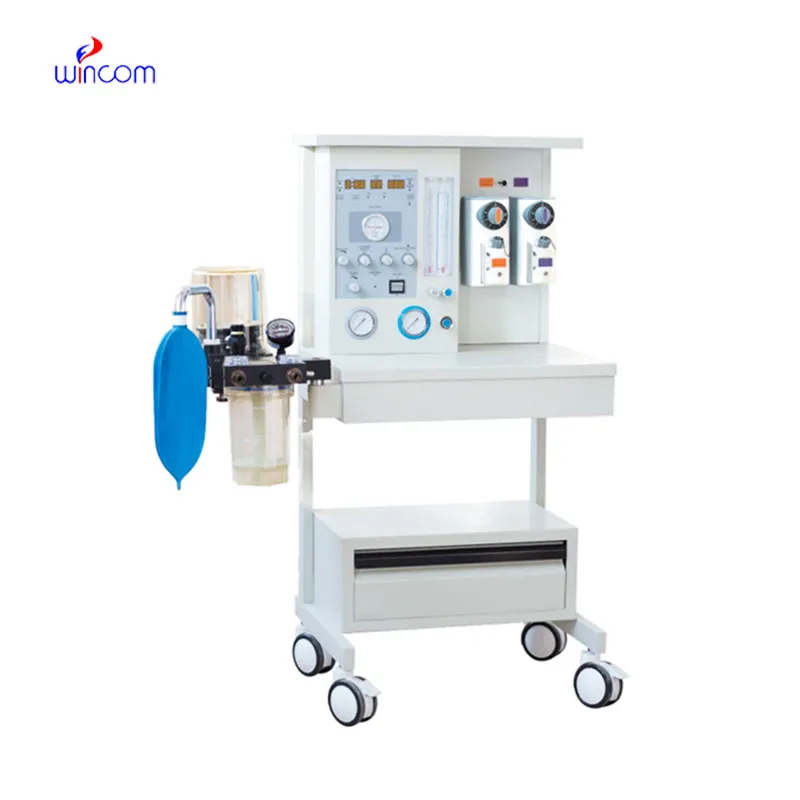
veterinary anesthesia machine are the most important things in hospital maintenance and cleaning procedures. The external surfaces need to be disinfected with approved disinfectants to totally avoid the transfer of germs. For example, the internal parts like vaporizers need to be checked regularly to make sure that the residue does not harm the operation. In the labs and operating rooms, highly strict cleanliness rules are applied which are beneficial to both patients and medical personnel. Moreover, proper drying after cleaning saves the equipment from moisture damage. These practices of care and maintenance ensure the safe use and keep the veterinary anesthesia machine constant in all the medical departments performance.
veterinary anesthesia machine is a crucial medical apparatus used in hospitals, intended to administer accurate anesthetic gases and at the same time, allow patient ventilation during surgery. It incorporates monitoring systems which constantly measure the oxygen levels, respiratory rate, and airway pressures, thus ensuring patient safety during the entire procedure. The device, which is made up of vaporizers, flow meters, and alarms, allows anesthesiologists to control sedation uniformly and react to different physiological situations. Its use goes from operating rooms to emergency departments and laboratory-based clinical studies, thus providing consistent performance for efficient anesthesia administration and facilitating good patient management in various hospital environments.
Q: What is the main function of an anesthesia machine? A: Controlled anesthetic gases are delivered and the patient is ventilated during medical procedures. Q: Where is the anesthesia machine frequently used? A: Hospitals mainly use it in their operating rooms, emergency units, and intensive care departments. Q: Who operates the anesthesia machine during surgery? A: Trained anesthesiologists or anesthesia technicians are responsible for operating the device. Q: Can the anesthesia machine assist the breathing of a patient? A: Yes, by providing mechanical ventilation support when spontaneous breathing is insufficient. Q: Does the device monitor respiratory parameters? A: It monitors airflow, pressure and oxygen concentration all through the delivery.
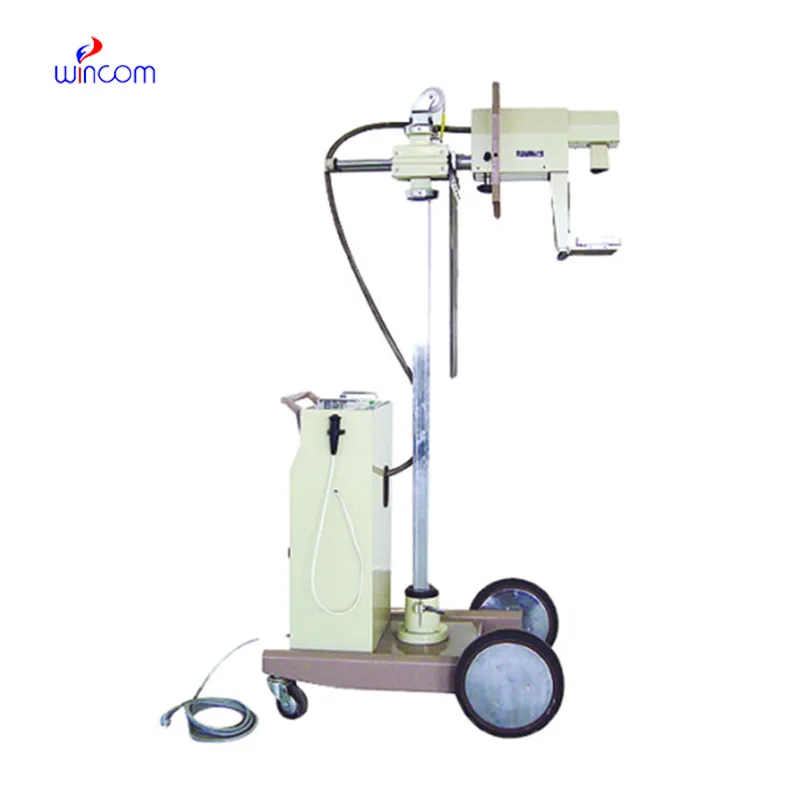
This x-ray machine is reliable and easy to operate. Our technicians appreciate how quickly it processes scans, saving valuable time during busy patient hours.
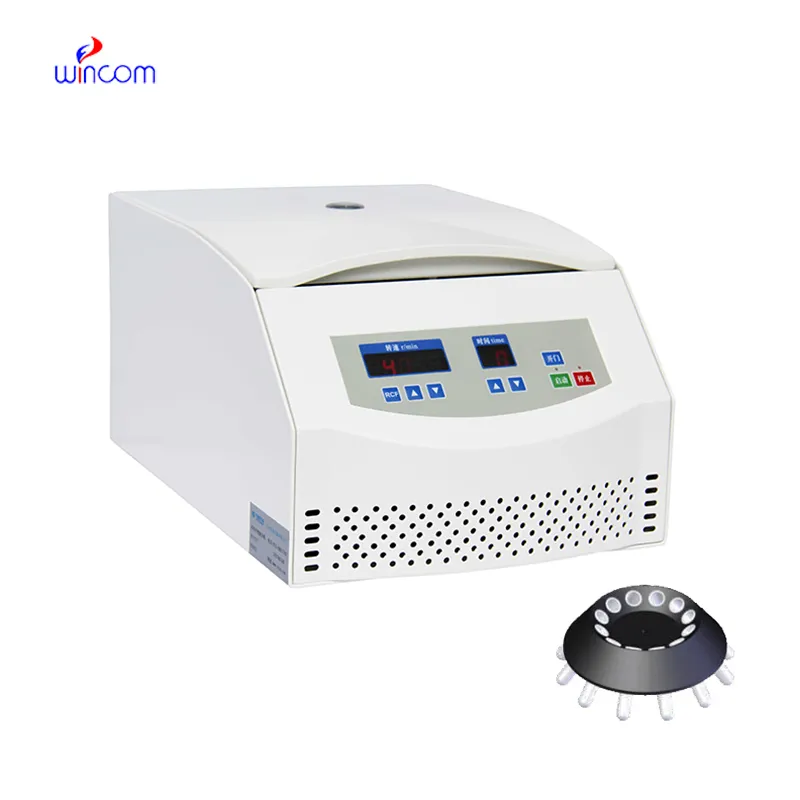
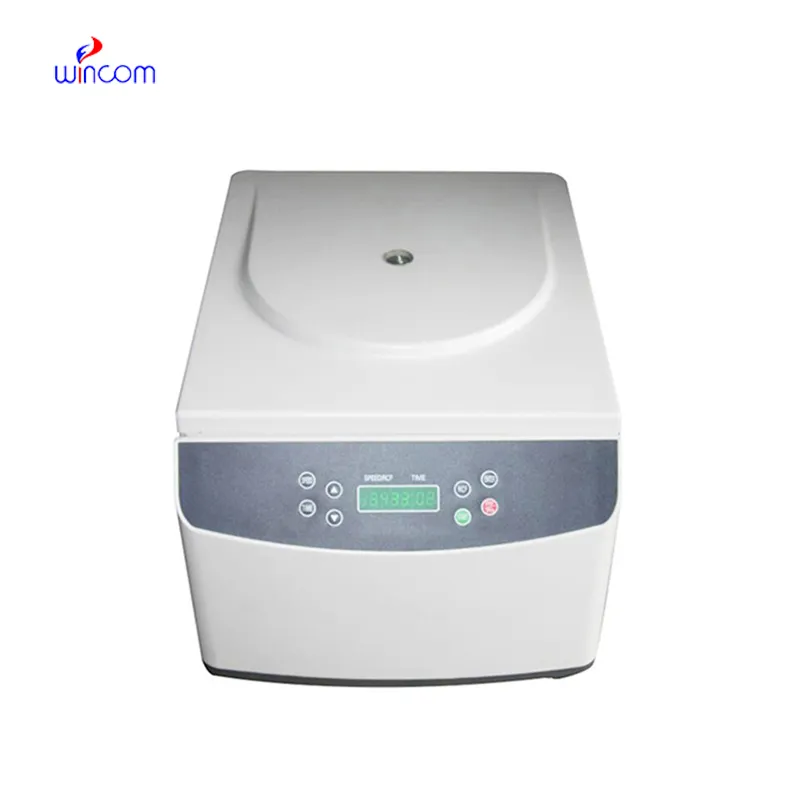
The centrifuge operates quietly and efficiently. It’s compact but surprisingly powerful, making it perfect for daily lab use.
To protect the privacy of our buyers, only public service email domains like Gmail, Yahoo, and MSN will be displayed. Additionally, only a limited portion of the inquiry content will be shown.
Could you share the specifications and price for your hospital bed models? We’re looking for adjus...
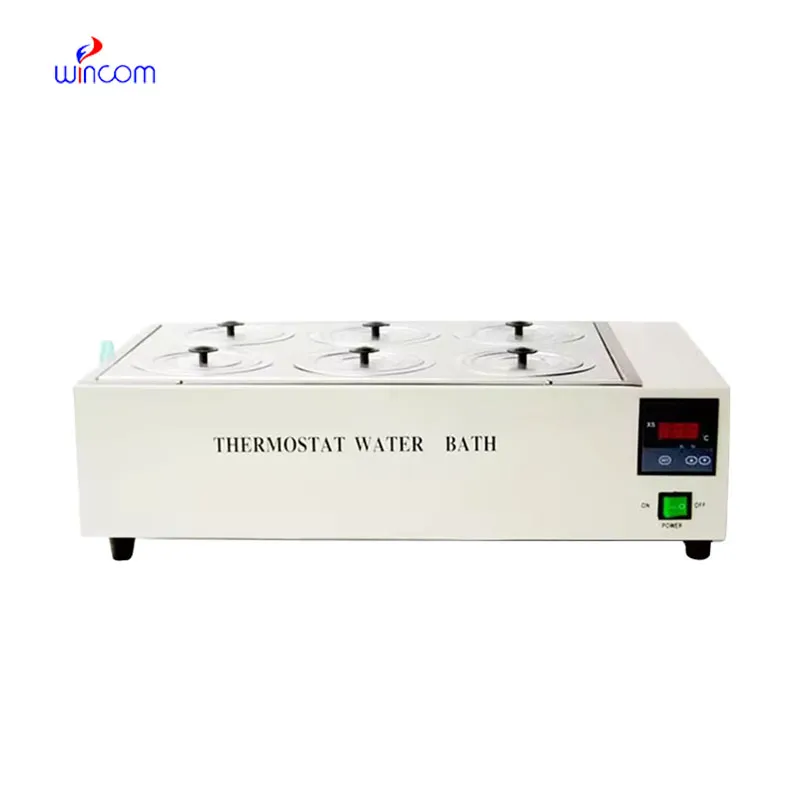
Hello, I’m interested in your water bath for laboratory applications. Can you confirm the temperat...
E-mail: [email protected]
Tel: +86-731-84176622
+86-731-84136655
Address: Rm.1507,Xinsancheng Plaza. No.58, Renmin Road(E),Changsha,Hunan,China


 EN
 af
 es
 ar
 tr
 sw
 pt
 th
 ur
 bn
 ne
 vi
 km
 lo
 de
 ru
 fi
 nl
 fa
 fr
 ko