
مدونة
هناك اختلافات كبيرة بين المجاهر البيولوجية والبصرية في تكوين العدسة وتصميمها، ونطاق المراقبة وقابلية التطبيق، والملحقات والوظائف الخاصة، والسعر والتشغيل. فيما يلي بعض الاختلافات بين المجهرين.
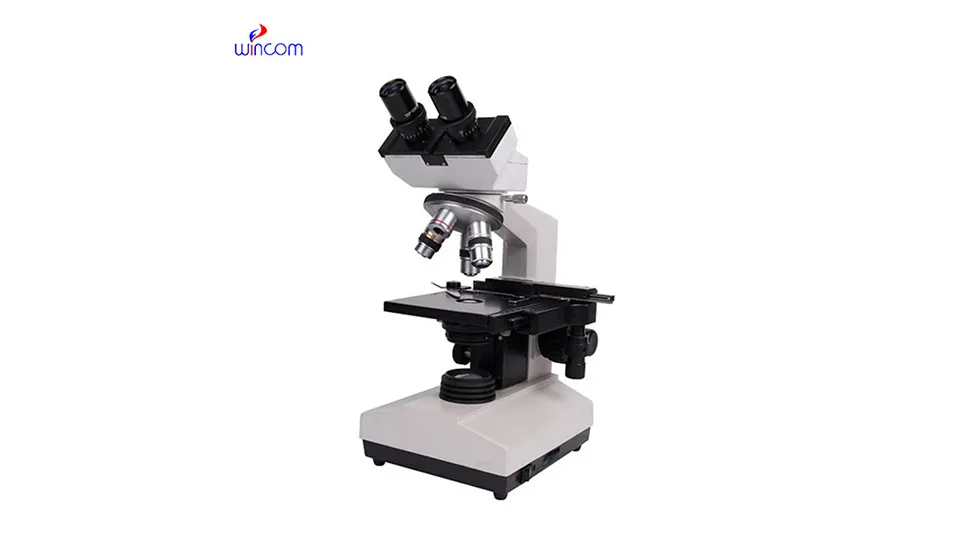
عادة ما تكون المجاهر البيولوجية مجهزة بعدسات وعدسات عينية متعددة. يمكن استخدام هذه العدسات معًا لتحقيق التكبير والوضوح العاليين. عادةً ما تحتوي المجاهر الضوئية على عدسة موضوعية واحدة وعدسة عينية واحدة فقط، والتي تستخدم بشكل أساسي للمراقبة ذات التكبير المنخفض.
يتضمن تصميم المجاهر البيولوجية عادة مقلوبة أو مستقيمة لتتكيف مع العينات البيولوجية ذات الأحجام المختلفة، خاصة عند المراقبة في طبق بتري. في المقابل، تتميز المجاهر الضوئية عمومًا بتصميم رأسي وتستخدم بشكل أساسي لعرض العينات الموضوعة على شرائح زجاجية.
يمكن للمجهر البيولوجي مراقبة العينات البيولوجية مثل الخلايا والأنسجة والبكتيريا والفيروسات. دقة وتكبيرها عاليان، ويمكنها رؤية الهياكل الدقيقة داخل الخلايا بوضوح، مثل العضيات والحمض النووي والحمض النووي الريبي (RNA) وما إلى ذلك. على الرغم من أن المجاهر الضوئية يمكنها أيضًا مراقبة الأجسام المجهرية، إلا أن دقة وضوحها منخفضة نسبيًا وأكثر ملاءمة لمراقبة العينات غير البيولوجية مثل المعادن والمعادن والسيراميك.
يحتوي المجهر البيولوجي على مجموعة واسعة من التطبيقات في مجال علم الأحياء، بما في ذلك بيولوجيا الخلية وعلم الأنسجة وعلم الأحياء الدقيقة وما إلى ذلك. تُستخدم المجاهر الضوئية في كل من البحث العلمي والمجالات الطبية نظرًا لإمكانية تطبيقها على نطاق واسع، ولكنها تركز أكثر على مراقبة البنية الثابتة للعينات الثابتة.
تشتمل الملحقات الشائعة الاستخدام للمجاهر البيولوجية على المستقطبات ومقاييس التداخل والمرشحات متعددة الأطياف، مما يساعد على توفير ألوان أكثر دقة وتفاصيل أكثر ثراءً. من ناحية أخرى، تستخدم المجاهر الضوئية عادة أجهزة ضبط خشنة ودقيقة لضبط التركيز والتكبير.
غالبًا ما تكون المجاهر البيولوجية الحديثة مجهزة بوظائف معالجة الصور التي يمكنها معالجة وتحليل صور الخلايا المرصودة رقميًا. تعتمد المجاهر الضوئية بشكل أكبر على طرق المراقبة التقليدية، ولكن يمكن أيضًا توسيع وظائفها عن طريق إضافة ملحقات مثل معدات التصوير الرقمي.
نظرًا لأن المجاهر البيولوجية مجهزة بأنظمة بصرية أكثر تعقيدًا وأجزاء أكثر تكلفة، فإن أسعارها عادة ما تكون أعلى من المجاهر الضوئية. النظام البصري للمجاهر الضوئية بسيط نسبيا وتكاليف التصنيع والصيانة منخفضة، وبالتالي فإن السعر في متناول الناس.
تتطلب المجاهر الضوئية عادةً كلتا اليدين للعمل، بينما يمكن تشغيل المجاهر البيولوجية بيد واحدة. بالإضافة إلى ذلك، تدعم المجاهر البيولوجية أيضًا استخدام الكاميرات الرقمية للمراقبة، مما يزيد من سهولة التشغيل.
بريد إلكتروني: [email protected]
هاتف: +86-731-84176622
+86-731-84136655
العنوان: Rm.1507، شينسانتشنغ بلازا. رقم 58، طريق رنمين (E)، تشانغشا، هونان، الصين


 EN
EN
 af
af
 es
es
 ar
ar
 tr
tr
 sw
sw
 pt
pt
 th
th
 ur
ur
 bn
bn
 ne
ne
 vi
vi
 km
km
 lo
lo
 de
de
 ru
ru
 fi
fi
 nl
nl
 fa
fa
 fr
fr
 ko
ko


